





How to choose the best off-grid inverter for your home?
- 1. How do I accurately determine the power requirements for my off-grid inverter?
- 2. What is the significance of waveform type in off-grid inverters, and how does it affect appliance compatibility?
- 3. How do I assess the efficiency and energy consumption of an off-grid inverter?
- 4. What role does the Maximum Power Point Tracking (MPPT) feature play in off-grid inverters?
- 5. How do environmental factors influence the selection and installation of an off-grid inverter?
- 6. What are the key considerations regarding warranty and durability when choosing an off-grid inverter?
1. How do I accurately determine the power requirements for my off-grid inverter?
To select an appropriate off-grid inverter, it's crucial to assess your home's energy consumption. Begin by listing all appliances you intend to power, noting their continuous and surge wattages. For instance, a refrigerator may require 1,200W continuously and 2,400W during startup. Sum the continuous wattages to establish your baseline load. Identify the highest surge wattage among your appliances and add it to the baseline. Multiply the total by 1.25 to account for inefficiencies and potential future expansions. This calculation ensures your inverter can handle both continuous and peak demands effectively.
2. What is the significance of waveform type in off-grid inverters, and how does it affect appliance compatibility?
Off-grid inverters primarily offer three waveform types: square wave, modified sine wave, and pure sine wave. Square wave inverters are cost-effective but may cause issues with sensitive electronics due to their high harmonic content. Modified sine wave inverters provide a compromise between cost and performance, suitable for many household appliances. Pure sine wave inverters deliver the highest quality power, ensuring compatibility with all devices, including sensitive electronics like computers and medical equipment. While more expensive, they offer superior performance and protect your appliances from potential damage.
3. How do I assess the efficiency and energy consumption of an off-grid inverter?
Inverter efficiency indicates how effectively the device converts DC to AC power. Aim for inverters with efficiency ratings of 90% or higher to minimize energy loss. Additionally, consider the no-load current draw, which reflects the power the inverter consumes when not supplying any loads. A lower no-load current draw is preferable, as it reduces the overall energy consumption of your system. For example, an inverter with a no-load current draw of 0.5A at 12V consumes 6W, which can add up over time.
4. What role does the Maximum Power Point Tracking (MPPT) feature play in off-grid inverters?
MPPT is a technology that optimizes the power output from solar panels by continuously adjusting the electrical operating point. In off-grid systems, an inverter with a built-in MPPT controller can significantly enhance energy harvest from your solar array, especially under varying sunlight conditions. This feature ensures that your system operates at peak efficiency, maximizing the energy available for storage and consumption. For instance, the Growatt SPF 5000ES includes a built-in MPPT charge controller, streamlining system design and improving performance.
5. How do environmental factors influence the selection and installation of an off-grid inverter?
Environmental conditions such as temperature, humidity, and exposure to dust or moisture can significantly impact the performance and longevity of an off-grid inverter. In hot climates, excessive heat can reduce inverter efficiency and lifespan. Installing the inverter in a cool, dry, and well-ventilated area is essential to mitigate these effects. Additionally, protecting the inverter from dust and moisture by using appropriate enclosures or installing it indoors can prevent potential damage. Regular maintenance, including cleaning vents and checking for signs of wear, will help ensure optimal performance.
6. What are the key considerations regarding warranty and durability when choosing an off-grid inverter?
When selecting an off-grid inverter, evaluate the manufacturer's warranty and the product's build quality. A reputable manufacturer should offer a warranty of at least 2 to 5 years, with some high-end models providing warranties up to 10 years. Review the warranty terms carefully to understand coverage details, including replacement, service visits, or repairs. Additionally, consider the inverter's construction materials and design to ensure it can withstand your specific environmental conditions and usage patterns. Investing in a durable inverter may have a higher upfront cost but can lead to long-term savings by reducing maintenance needs and extending the system's overall lifespan.
By addressing these specific questions, you can make an informed decision when selecting an off-grid inverter that aligns with your home's energy requirements, ensuring efficiency, reliability, and cost-effectiveness.
For personalized recommendations and a detailed quote tailored to your needs, please contact us at info@csinverter.com or visit our website at www.csinverter.com.


Pure Sine Wave Inverters
What is the difference between a pure sine wave inverter and a modified sine wave inverter?
Pure sine wave inverter has an output waveform close to mains power with low distortion rate (<3%), which can be safely adapted to precision devices such as computers, medical instruments, and inverter home appliances; modified sine wave inverter has a notched waveform, which easily causes device heating, malfunction or damage, and is only suitable for simple devices such as bulbs and fans.
Modified Sine Wave Inverters
Does it have protection features?
Yes, it includes overload, overheat, and short-circuit protection.
Can it be used in electric vehicles?
Most electric vehicles have a high-voltage system, and this inverter inputs DC 12V. It is not recommended to use it directly. If you need to use it, please confirm whether the vehicle power output matches first.
Does it only support DC12V input voltage?
The regular model has DC12V input, and other input voltages such as DC24V can be customized. Please consult customer service for details.
Products
Can it be connected to a battery long-term?
Yes, ensure good ventilation to avoid overheating.
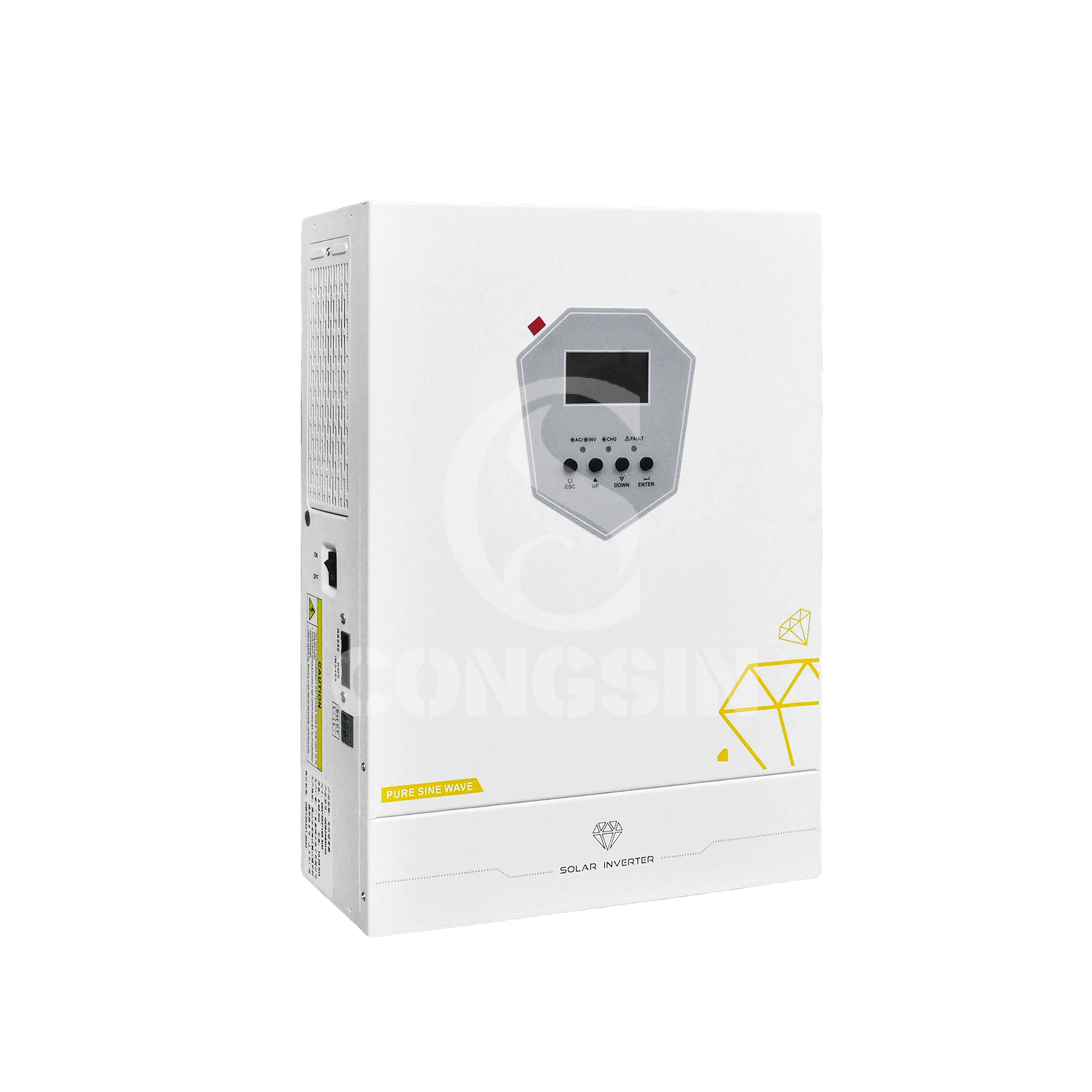
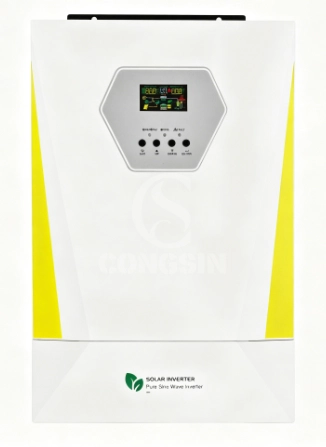
Power your solar system efficiently with the Congsin 4000W and 6000W Hybrid Inverter. Featuring an integrated MPPT Controller, this CE Certified inverter ensures optimal energy conversion. Monitor performance effortlessly via the intuitive LCD Display. Reliable, powerful, and ready for your sustainable energy needs.
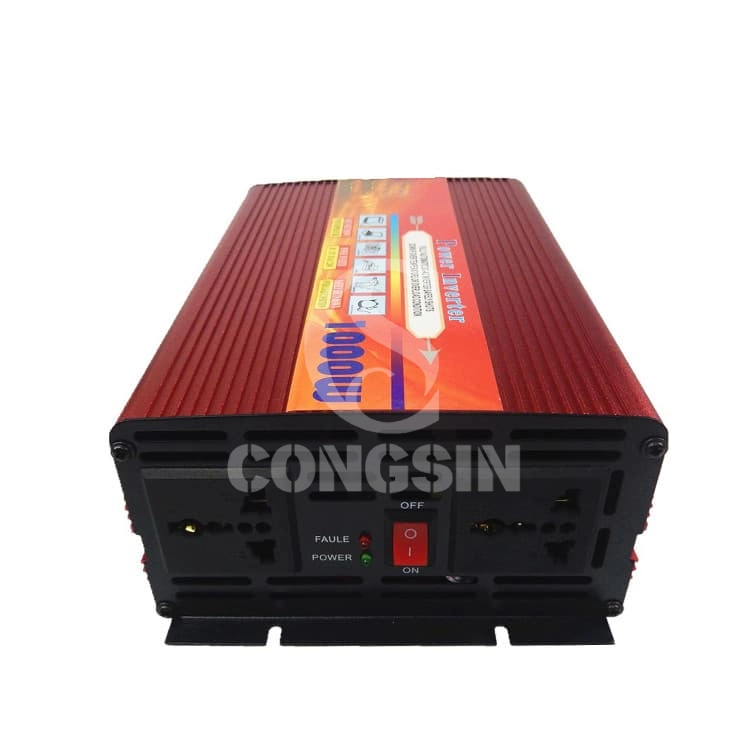
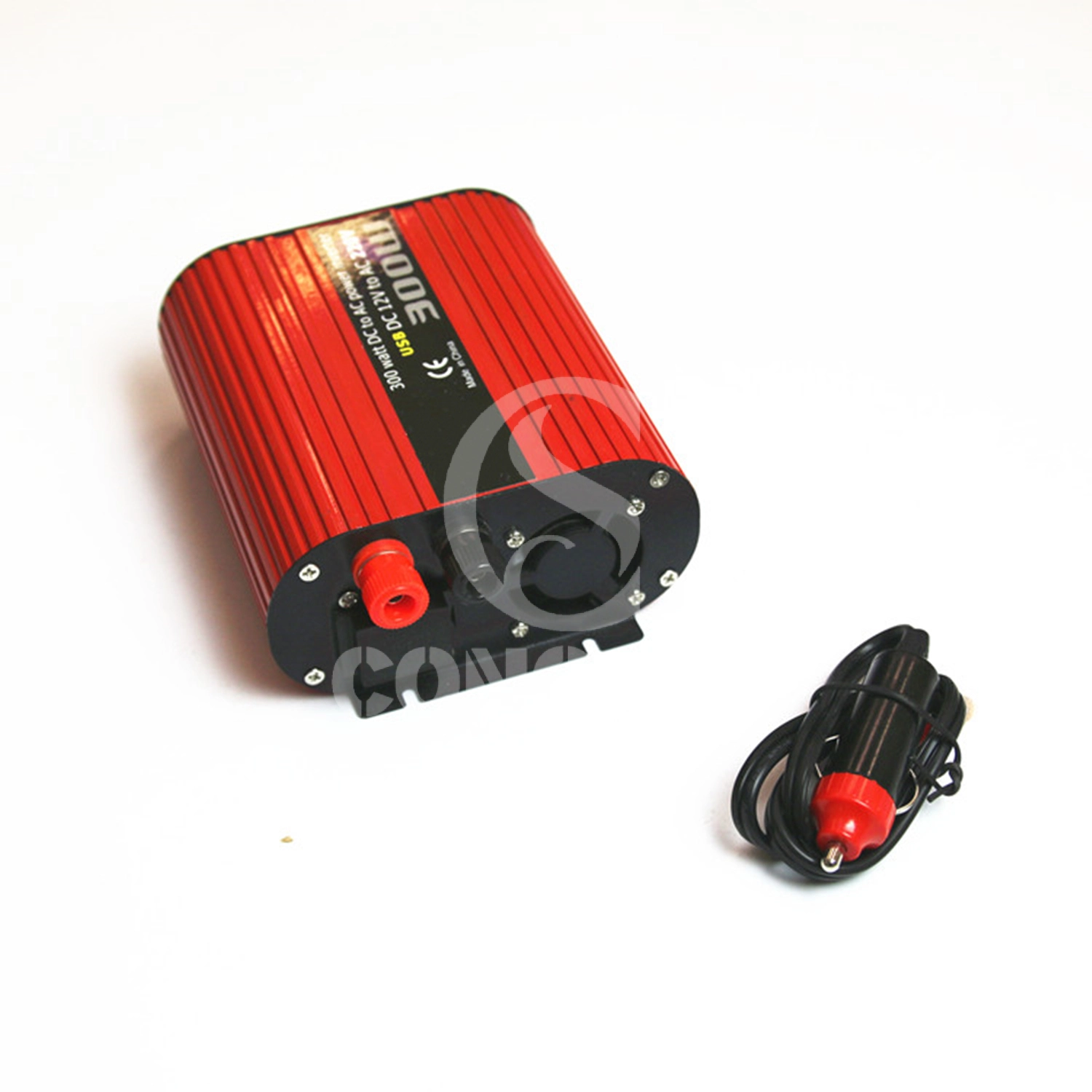
Congsin's Portable 150W Modified Sine Wave Inverter powers your journey! This versatile Car Power Inverter with USB acts as a reliable 12V to 220V converter, ensuring an essential off-grid power supply. With dual USB ports and a universal socket, enjoy convenient power on the go.
Get in Touch with Our Team
You can also communicate with us directly through our online contact form. Please fill in the following information, and our team will contact you as soon as possible after receiving your message.

CONGSIN is a trusted OEM factory for power inverters, solar charge controllers, and DC converters. Reliable solutions for global B2B buyers.
 High Quality
 7/24 Service
 Guaranteed Warranty
© 2025 Congsin. All Rights Reserved.
 WeChat
 Scan QR Code
sin cong
teaimei10
Whatsapp: +8618028086791
Scan QR Code